Posts tonen met het label Goethes Erben. Alle posts tonen

dinsdag 15 februari 2022

Goethes Erben: Politics and society have generally used the arts and the cultural sector as whipping boys in the pandemic.

Oswald Henke is angry. Angry and disappointed. In the pandemic, the cultural sector was used as a scapegoat. Everything about culture had to be closed, while sporting events and travelling were allowed to continue. His income was severely reduced for two years as a result. Nevertheless, Goethes Erben released two beautiful records during the pandemic: 'Flüchtige Küsse' in 2020 and 'Elemente' in 2021. The live CD and DVD 'Das gestohlene Konzert' will soon be added. Enough reasons to listen to Uncle Oswald once more. 

In July 2021 you released 'Elemente'. It is not just a CD, but a collection of singles about the four elements of nature: air, earth, water and fire. There is also a CD with some bonus tracks. What inspired you to work with this concept? 
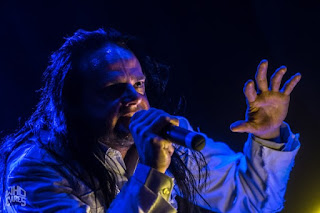
Oswald Henke : In times of pandemic, we had to adapt our way of working. We haven't been able to rehearse much in 2020. We discussed a lot through Skype meetings or on the phone, because you couldn't get together even as a band. So I thought to myself: let's put together in one box everything that Goethes Erben has produced as creative work and content. Past, present and also future. For this reason the 7" box 'Elemente' has also been released as vinyl + CD + soap + other extras. My creative work doesn't includes one single thing, but many small elements that then result in a complete work. 'Seelenbalsam' (the soap collection that Oswald Henke helped create, xk) for example only exists because during the pandemic I lost almost every opportunity to make money and then I implemented the idea of ​​vegan cosmetics based on pieces by Goethes Erben, Erblast or Artwork. We then created it and offered it as a product. 

The soap 'Rebel' – one of the designed soaps from the 'Seelenbalsam' collection – is the representative of this in the box. The music consists of the chamber ensemble and the regular band, and the box contains old and new pieces… You will find all kinds of memories on the pins. All these things recall what makes Goethes Erben so special. All elements together result in my work. Even though Goethes Erben is always an ensemble performance, I am the artistic director and I try to collaborate with other creatives and thus set up artistic projects. I am not afraid to try new things out and have also tried to overcome the limitations imposed by the pandemic as part of the box concept. 

But it is also true that 'Elemente' is available as a simple CD, but that is only one aspect of the idea behind this release. 

On the release, Goethes Erben plays in two different ensembles: as a rock band on 'Spiel mit mir' and as a chamber ensemble on most of the other songs. The two ensembles also lead to several live concerts, completely independent of each other. How do you combine the two versions of your project? 

I am the crossroads and at some concerts of the chamber ensemble, Markus Koestner of the regular band is also there as a percussionist. They are simply two different live ensembles rehearsing at different times and working independently on new pieces. So it is not really a combination. Rather: we can stage Goethes Erben in different ways. Whether as a band, as a chamber music ensemble or as a music theater production. 


'Elemente' also includes 'Ölberg' versions of several older pieces performed by the chamber music ensemble. I love them. They appear to be leftovers from the recordings of your previous record, 'Flüchtige Küsse'. Why did you include them on 'Elemente'? 

That's right, they were recorded in Ölberg church as part of the recordings for 'Flüchtige Küsse'. For 'Elemente' these pieces represent the past, which at best is an important part of the present and should also be an option for the future. We keep changing the live versions to keep them in the present. Arrangements can be made smaller or larger, or they can be left as they are. That's the exciting thing. The only important thing is that you don't destroy the "magic" of a piece. 

In the song 'Zeit zu gehen', but also in the CD booklet, you criticize the measures surrounding the corona pandemic. You even say that 'society has failed'. What made you so angry about the measures? Why has society failed? 
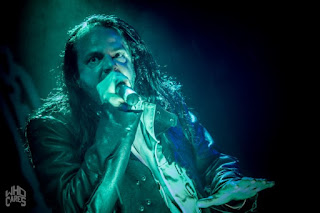
Politics and society have generally used the arts and the cultural sector as whipping boys in the pandemic. In principle, we as a band and I as a musician have not been able to give concerts at any time since the outbreak of the pandemic in Europe. We always had restrictions and conditions, while people attended football matches in stadiums or travelled all over the world to enjoy their holidays and then wondered why the number of infections increased again after the holidays. Culture was the first thing that kept getting turned off and one of the last things allowed to be reactivated. 

Football in particular angered me, because football matches without an audience have only proven one thing: it's all about money, not about sport. It is about the broadcasting rights that must be served. Imagine a tour of The Cure of Placebo without an audience... Wouldn't that be crazy? Culture has no lobby in Germany, but what would people have done in these days without movies and music? I think people don't realize that until you just don't give them access to music or movies for a month. 

The pandemic also had a major impact on the artistic world. You complain that both record sales and concert ticket sales have suffered greatly from the pandemic. What do you think are the causes and solutions? 

I have no idea. After two years of not being able to plan anything, I decided to avoid a third year in this regard and only plan and offer concerts by Goethes Erben in and around Bayreuth. Only the festival in October (Autumn Moon in Hamelin) is at a distance. All other concerts take place in our neighbourhood. I also think it will take months if not years after the pandemic to get people back to concerts. Some will probably not come at all because after two years of uncertainty and fear they are used to staying at home. 


'Elemente' comes after 'Flüchtige Küsse', which was released in 2020. We had seen concerts with the chamber music ensemble before, but this is a whole CD in this style. And it is brilliant! I heard it should have been a live CD, but because of Corona it was recorded without an audience. Why did you decide to record a CD with this ensemble and why should it have been a live recording? 
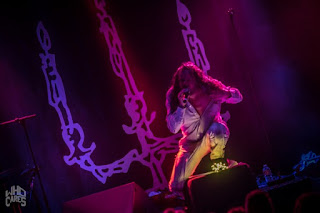
Goethes Erben has always been a strong live band and the chamber music arrangements in particular work most intensively when they are recorded live at the same time as an ensemble. That's why I wanted to record 'Flüchtige Küsse' like this. The titles 'Ich möchte fliegen', 'Zeit zu gehen', 'Darf ich bitten' and 'Fern ab vom Licht' were not recorded live. This has advantages in terms of mixing, but when you hear these pieces live on the upcoming DVD and CD 'Das gestohlene Konzert' you will understand why I prefer live, also in terms of recording the chamber ensemble. It's just livelier and more intense. 

Sebastian Boettcher's compositions for the chamber music ensemble are very melodic. Your singing style, often referred to as Sprechgesang, has evolved in that direction, hasn't it? 

Let's put it this way: with the chamber ensemble I sometimes hit the right notes. (laughs) Since the rehearsals here are much more intensive and complex, I also dare to expand my linguistic possibilities in a tonal way. 

In your lyrics on 'Flüchtige Küsse' we can read things like: 'We all seek great happiness and forget to be just satisfied' and 'Sometimes it's just about getting through life'. How do you see things in this regard? 

Exactly as it says in the text. Life is not always beautiful and sometimes fate is unfair and mean. But life is also the option on EVERYTHING, because if you don't live, you can't have beautiful things, fall in love, dance, have adventures or have happy moments. But a part of life is also experiencing grief and loss. It is important that we make something of our lives and somehow try to make the world a little better. 

It gets more political at the end of 'Flüchtige Küsse': 'Because we don't believe anything anymore; no longer believing the facts' and 'arguing against ignorance is meaningless as playing chess with pigeons and religion'. Does the current affairs around corona and corona skeptics also seep through in these texts? 
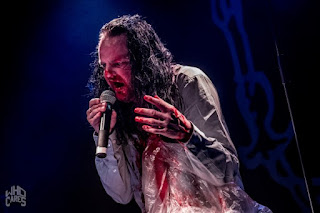
'Ich bin der Zorn', indeed. It is mainly thanks to idiots and toxic men like Trump, Erdogan, Bolsonaro, Putin and Orban that the world has become smaller and more intolerant in recent years. Conspiracy theories are on the rise and I'm actually waiting for the first pyres and book burnings. The democracies must now assert themselves and also clearly say goodbye to ruthless capitalism, in which only a small elite accumulate more and more money while the rest of humanity dries up. Whether financially, economically, socially or factually. 

You also say that a new record is coming soon – the tenth studio album. Can you tell us something about it? 

We presented X live with 5 titles on the X Tour 2021. We will present the new album live on September 17 in Bayreuth. However, the X album itself will not be released until the spring of 2023, as we need this time to record the album in a way that we are happy with during this pandemic period. The pandemic has slowed things down and put a lot of things on hold as well. An unwanted delay has disadvantages. But you can also make this circumstance a possibility and that's what we're trying to do with the concept of X. 

Goethes Erben: facebook / website / youtube 

Pictures: Luc 'who cares' Luyten

Goethes Erben: Die Politik und die Gesellschaft hat Kunst allgemein als Pandemie-Prügelknabe benutzt

Oswald Henke ist sauer, wütend und enttäuscht. In der Pandemie wurde der Kultursektor als Sündenbock hergenommen. Alles aus der Kultur musste geschlossen werden, während Sportveranstaltungen und Reisen fortgesetzt werden durften. Infolgedessen war sein Einkommen zwei Jahre lang stark eingeschränkt. Trotzdem haben Goethes Erben während der Pandemie zwei schöne Platten veröffentlicht: 'Flüchtige Küsse' im Jahr 2020 und 'Elemente' im Jahr 2021. Die Live-CD und -DVD 'Das gestohlene Konzert' kommt bald hinzu. Genug, um Onkel Oswald noch einmal anzuhören. 

Juli 2021 habt ihr „Elemente“ veröffentlicht. Es ist nicht nur eine CD geworden, sondern eine Sammlung von Singles, die sich mit den vier Elementen der Natur auseinandersetzen: Luft, Erde, Wasser und Feuer. Zusätzlich gibt es auch noch eine CD mit einigen Bonustracks. Was hat euch dazu inspiriert, mit diesem Konzept zu arbeiten? 

Oswald Henke: In Pandemie Zeiten mussten wir unsere Arbeitsweise anpassen, wir konnten gerade 2020 sehr wenig gemeinsam proben, haben viele Dinge via Skype-Konferenzen oder am Telefon besprochen, da man sich nicht als Band in großer Runde treffen durfte und so dachte ich mir, fügen wir doch in einer Box alles zusammen was Goethes Erben bzw. unsere kreative Arbeit ausmacht und was dies beinhaltet. Vergangenheit, Gegenwart und auch Zukunft. Aus dem Grund ist die Elemente 7“ Box auch als Vinyl + CD + Seife + Sonstige Dreingaben veröffentlicht worden. Meine kreative Arbeit umfasst eben nicht eine Sache, sondern viele kleine Elemente, die dann ein komplettes Werk ergeben. „Seelenbalsam“ gibt es z.B. nur, weil in der Pandemie ich so gut wie jede Möglichkeit Geld zu verdienen verloren hatte und ich eben dann die Idee umsetzte vegane Kosmetik, die auf Stücke von „Goethes Erben“ oder „Erblast“ oder „Artwork“ basieren zu kreieren und als Merchandise Produkt anzubieten. 

Die Seife „Rebell“ ist hier der Repräsentant in der Box. Die Musik steuert das Kammerensemble und die Bandbesetzung, alte und neue Stücke - auf den Pins sind Erinnerungen und all das ergibt eben das was Goethes Erben ausmacht. Alle Elemente gemeinsam ergeben letztlich mein Werk. Auch wenn Goethes Erben immer eine Ensemble Leistung ist, ich bin der künstlerische Leiter und versuche mit anderen kreativen Menschen künstlerische Dinge umzusetzen. Dabei habe ich keine Berührungsängste neue Dinge auszuprobieren und habe auch versucht die Beschränkungen durch die Pandemie als Teil des Konzeptes der Box zu integrieren. 

Fakt ist aber auch, es gibt Elemente auch als CD only Veröffentlichung, aber das ist eben nur ein Aspekt der Idee dieser Veröffentlichung. 

Die Veröffentlichung wurde von Goethes Erben als zwei unterschiedliche Versionen geplant: als Rockband bei „Spiel mit mir“ und als Kammerensemble bei den meisten anderen Songs. Die beiden Versionen führen auch zu unterschiedlichen Live-Konzerten, völlig unabhängig voneinander. Wie arbeitet ihr, um die beiden Versionen Ihres Projekts zu kombinieren? 

Der Schnittpunkt bin ich und bei manchen Konzerten des Kammerensembles ist auch Markus Koestner von der Bandbesetzung als Percussionist dabei. Es sind eben zwei unterschiedliche Live-Ensembles die auch zu unterschiedlichen Zeiten proben und an neuen Stücken unabhängig voneinander arbeiten. Also ist es keine Kombination sondern, wir können Goethes Erben eben variabel auf die Bühne bringen. Entweder als Band, oder als Kammerensemble oder als Musiktheaterinszenierung. 


„Elemente“ enthält auch „Ölbergversionen“ aus verschiedenen älteren Stücken, gespielt vom Kammermusikensemble. Ich finde sie großartig. Sie scheinen Überbleibsel von eurer letzten Scheibe 'Flüchtige Küsse' zu sein. Warum habt ihr sie in 'Elemente' aufgenommen? 

Richtig, sie sind im Rahmen der Aufnahmen zu „Flüchtige Küsse“ in der Ölbergkirche aufgenommen worden. Für Elemente stehen diese Stücke für die Vergangenheit die im besten Fall eben ein wichtiger Teil der Gegenwart ist und auch eine Option für die Zukunft sein sollte. Wir verändern immer wieder die Live-Versionen um sie auch immer in der Gegenwart ankommen zu lassen. Man kann Arrangements kleiner oder grösser machen oder sie belassen. Das ist das spannende, wichtig ist nur, dass man den „Zauber“ eines Stückes nicht zerstört. 

Im Song „Zeit zu gehen“, aber auch im CD-Booklet, kritisiert ihr die Maßnahmen rund um die Corona-Pandemie. Ihr sagt sogar, „die Gesellschaft hat versagt“. Was hat euch so wütend über die Maßnahmen gemacht? Warum hat die Gesellschaft versagt? 

Die Politik und die Gesellschaft hat Kunst allgemein als Pandemie-Prügelknabe benutzt. Wir als Band und ich als Musiker konnten im Prinzip zu keiner Zeit seit Ausbruch der Pandemie in Europa wirtschaftlich Konzerte geben. Immer hatten wir Beschränkungen und Auflagen, während Menschen fröhlich in Stadien Fußballfeste gefeiert haben oder quer durch die Welt ihrem Urlaub frönten und sich dann gewundert wurde wieso nach den Ferienzeiten wieder die Infektionszahlen erhöhten. Kunst war das erste was immer wieder ausgeschaltet wurde und mit das Letzte was wieder aktiviert werden durfte. 

Besonders der Fußball hat meinen Zorn erregt, denn Geisterspiele haben doch nur eins bewiesen, es geht hier nur um Geld nicht um Sport, sondern darum das Senderechte bedient werden musste. Stellen sie sich eine Tour von Cure oder Placebo ohne Publikum vor… Wäre das nicht idiotisch? Kultur hat gerade in Deutschland keinerlei Lobby aber was hätten die Menschen wohl ohne Filme und Musik in dieser Zeit gemacht? Ich denke das würde Menschen nur bewusst, wenn man ihnen einem Monat lang einfach keine Musik und keine Filme zugänglich machen würde. 

Die Pandemie hatte auch große Auswirkungen auf die künstlerische Welt. Ihr beschwert euch darüber, dass sowohl der Verkauf von Schallplatten sowie auch von Konzertkarten stark unter der Pandemie gelitten hat. Welche Ursache und Lösungen gibt es eurer Meinung nach?

Keine Ahnung, ich habe für mich entschieden nach zwei Jahren Unplanbarkeit ein drittes Jahr diesbezüglich zu vermeiden und nur Konzerte von Goethes Erben in und in der Nähe von Bayreuth geplant und angeboten. Einzig das Festival im Oktober (Autumn Moon in Hameln) ist eine Reise. Alle anderen Konzerte finden vor unserer Haustür statt. Ich denke auch, dass es nach der Pandemie Monate wenn nicht Jahre dauern wird, dass die Menschen wieder auf Konzerte gehen werden. Manche werden vermutlich auch gar nicht mehr kommen, da sie nach zwei Jahren Verunsicherung und Angstmacherei sich daran gewöhnt haben zu Hause zu bleiben. 


„Elemente“ kommt nach Flüchtige Küsse, das 2020 erschienen ist. Wir haben schon vorher Konzerte mit dem Kammermusikensemble gesehen, aber das ist eine ganze CD in diesem Stil, und sie ist brillant. Ich habe gehört, dass es eine Live-CD sein soll, aber wegen Corona ohne Publikum aufgenommen wurde. Warum habt ihr euch entschieden, mit diesem Ensemble eine CD aufzunehmen, und warum hätte es eine Live-Platte sein sollen? 

Goethes Erben ist schon immer eine starke Live Band gewesen und gerade die Kammerensemble Arrangements funktionieren einfach dann am intensivsten, wenn sie als Ensemble gleichzeitig live eingespielt werden. Aus dem Grund wollte ich die „Flüchtige Küsse“ auch so aufnehmen. Die Titel, „Ich möchte fliegen“, „Zeit zu gehen“, „Darf ich bitten“ und „Fern ab vom Licht“ sind nicht so eingespielt worden. Das hat Vorteile was das Abmischen angeht, aber wenn man diese Stücke in der Livefassung auf der kommenden DVD+CD „Das gestohlene Konzert“ hört, wird man merken, wieso ich Live bevorzuge, auch was das Aufnehmen des Kammerensembles angeht. Es ist einfach lebendiger und intensiver. 

Die Kompositionen von Sebastian Boettcher für das Kammermusikensemble sind sehr melodisch. Ihr Gesangsstil, der oft als Sprechgesang bezeichnet wurde, hat sich in diesem Sinne weiterentwickelt, oder? 

Sagen wir es so, beim Kammerensemble treffe ich manchmal sogar richtige Töne. (lächelt) Da hier die Probenarbeit viel intensiver und aufwendiger ist, traue ich mich eben auch mehr meine sprachlichen Möglichkeiten tonal zu erweitern. 

In euren Texten auf „Flüchtige Küsse“ können wir Dinge lesen wie: „Wir alle suchen das große Glück und vergessen das Zufrieden-sein“ und „Manchmal geht es nur darum, das Leben auszuhalten“. Wie seht ihr die Dinge in dieser Hinsicht? 

Genauso wie es in den Texten lautet. Das Leben ist nicht immer schön und manchmal ist das Schicksal auch ungerecht und gemein. Aber Leben ist auch die Option auf ALLES, denn wenn man nicht lebt, kann man auch keine schönen Dinge erleben, sich nicht verlieben, nicht tanzen, keine Abenteuer sammeln oder Glücksmomente empfinden. Aber Teil des Lebens ist auch Trauer und Verluste zu erleben, wichtig ist, dass wir aus unserem Leben etwas machen und irgendwie im ganz Kleinen die Welt ein wenig besser machen. 
Am Ende von „Flüchtige Küsse“ wird es politischer. „Da wir nichts mehr glauben; keinen Fakten glauben“ und „gegen Ignoranz zu argumentieren, Sinnlos wie Taubenschach und Religion“. Schimmert die Aktualität von Corona und Querdenker auch in diesen Texten durch? 

Es ist vor allen Dingen Idioten und toxischen Männern wie Trump, Erdogan, Bolsonaro, Putin und Orban zu verdanken, dass die Welt in den letzten Jahren wieder kleiner und intoleranter geworden ist. Verschwörungstheorien haben Hochkonjunktur und eigentlich warte ich auf die ersten Scheiterhaufen und Bücherverbrennungen. Die Demokratien müssen sich jetzt behaupten und auch klar vom rücksichtslosen Kapitalismus verabschieden, bei der nur eine kleine Elite immer mehr Geld anhäuft aber der Rest der Menschheit ausblutet. Egal ob finanziell, wirtschaftlich, gesellschaftlich oder tatsächlich. 

Du sagst auch, dass bald eine neue Platte – das zehnte Studioalbum – kommen wird. Könntest du uns schon etwas darüber erzählen?

Wir haben X mit 5 Titeln auf der X Tour 2021 live vorgestellt. In Bayreuth werden wir am 17. September das neue Album live am Stück vorstellen. Das X Album selbst wird aber erst im Frühjahr 2023 veröffentlicht werden, da wir diese Zeit benötigen um das Album in dieser Pandemiezeit so umzusetzen dass wir damit auch zufrieden sind. Die Pandemie hat Dinge ausgebremst und vieles auch verzögert. Eine ungewollte Entschleunigung hat aber dann auch Nachteile. Aber man kann diesen Umstand auch zu einer Möglichkeit nutzen und das tun wir mit dem Konzept von X.

Goethes Erben: website / facebook / youtube

Bilder: Luc 'Who Cares' Luyten

maandag 4 februari 2019

Goethes Erben: Strangely enough, those who cry the loudest are not those who drown during their flight

In 2014, Goethes Erben broke the silence in which it had been hidden since 2006, when the theatrical avant-garde formation went on hold for an indefinite period of time. They did performances and produced a music theater, but with 'Am Abgrund' there is now the first studio album in 12 years. ‘Silent for too long’, is one of the songs on the record. It is not so much about the long break. It is about politics, about the lack of humanity, about the failures of society and about the answers we offer to it. We talked with mastermind Oswald Henke ... 

‘Am Abgrund’ is the first studio album since Goethes Erben returned in 2014. A few years ago, you said it was too dangerous to release physical records today. Why did you decide to make a new CD anyway?
 
I did not say that it was dangerous, but that it makes little sense as the market for physical records is de facto dying. We have released the live version of ‘Rückkehr ins Niemandsland’ for the 25th anniversary of Goethes Erben on DVD and the live recording of ‘Menschenstille’ on DVD and CD. Moreover, Goethes Erben does not exist in a purely virtual way, only in the form of mp3-downloads or streaming services, because I think that this intangible consumption of music hardly matches with appreciation for the music or the artist. Particularly with streaming, there is also the danger that censorship occurs somewhere or somehow, because if you do not own something, access to it can easily be denied. If you have a physical record, you know that you can listen to your music independently, whenever you want, without being connected to volatile data readers or an internet connection. 

I also find tangibility important. Holding an LP in your hands, feeling the cover and reading the notes, that makes it valuable. For example, I am someone who knows perfectly well where that particular album is that I listened to at the time of my first big love, or where the first CD I bought decades ago lies. Unfortunately, nowadays, music is often only understood as an acoustic screensaver. 

Why we release a new album now? Simply because we have something to say. We do not have to comply with a contract. We made the album because we wanted to and had the deepest need to share our opinion and our thoughts. That is why we released ‘Am Abgrund’ on both CD and LP. 


In 2015 you directed 'Menschenstille', a very dark music theater based on the collection of poems 'Narbenverse' that you wrote after the suicide of a friend. What did you want to express with this piece?
 
I wanted to try to understand the theme of suicide, and this from different angles. For me personally, I wanted to understand why a person voluntarily opts for death even when, for example, he is not sick to death, which I would consider as a clear reason for wanting to end your life. The theme is actually very complex and there is no generally valid answer. Ultimately, one thing is certain for me: ‘life is the option on everything, if you want to.’ (‘Leben ist die Option auf Alles, wenn man will.') That's what it's all about. The theme is simply too individualized to judge or answer in a general context. It depends on how much one values ​​life and of what it means to someone when life becomes too heavy and therefore seems worthless. For me, suicide is something that falls under personal responsibility, but I think that every person should also consider how personal actions affect the lives of others. What does it mean for the survivors, the family, the partner and the friends? 

I feel that mental disorders and depression are also very present on ‘Am Abgrund’. Is ‘Am Abgrund’ thematically related to ‘Menschenstille’? What is the overarching theme of ‘Am Abgrund’?
 
‘Am Abgrund’ is not really connected to ‘Menschenstille’, but in the end everything I make is connected in one way or another, because I fundamentally write about my feelings and my view on the issues that disturb me in social or political terms. In my view, art has a conscience function in our society. Art can point at things and make you think, but it can offer no solutions. ‘Am Abgrund’ has an introverted side - ‘Es ist still’, ‘Denn es ist immer so’ - but also very extraverted, angry pieces such as ‘Darwins Jünger’ or ‘Lazarus’, and then pieces that connect both: ‘Zu lang geschwiegen’ or ‘Verstümmelung’. Thematically, however, this collection has nothing to do with ‘Menschenstille’. ‘Am Abgrund’ is not a music theater piece but a collection of fragments. ‘Menschenstille’ was a live staging, ‘Am Abgrund’ is a classic studio album. Maybe those introverted songs are the ones that connect many fans to the trilogy (the first three albums of Goethes Erben, xk), though ‘Das Ende’ is also angry, albeit in a different way as ‘Darwin's Jünger’. 

Ultimately, depression is a disease where you no longer escape from without help. ‘Am Abgrund’, on the other hand, deals with emotional worlds that can be influenced and changed. It is very dark and melancholic, but you still have your own actions. The speechlessness we experience is rather social and political. We live in a world that is becoming smaller again. People speak about post-truth. Politicians deliberately lie and contradict fixed facts. That is the problem. The world is approaching depression, but we humans have the ability not to accept that and change it for us. Of course, as an individual you cannot change the world in one day, but you can start with it and contribute small things. 


When the single ‘Lazarus’ was released, you announced a music theater titled ‘Meinungsstörung’. Did ‘Am Abgrund’ arise on the basis of this idea? Will there be a new music theater?
 
‘Meinungsstörung’ is a music theater piece and part of the music from this piece was released on ‘Am Abgrund’ in studio recordings, so basically out of context. ‘Lazarus’, ‘Darwins Jünger’ or ‘Verstümmelung’ are scenes from this piece. But since music theater is difficult to finance, which I have unfortunately found out again with ‘Menschenstille’, I will not be performing this new piece for the time being. The financial risk is too big for me. So, in 2019, ‘Meinungsstörung’ will first appear as a book. Will I bring it as a music theater? Vielleicht, irgendwann, irgendwo ... (Probably, sometime, somewhere...)
 
‘Lazarus’ is about the reaction to the refugee crisis, ‘Darwins Jünger’ about the selection of people in strong and weak, ‘Rot’ about child abuse ... ‘Am Abgrund’ is clearly very political. Do you see a connection between the ‘failure of humanity’ that you are singing about and the increase in depressions?
 
‘Rot’ is not about child abuse, but about abuse and manipulation in general. Every person is influenced and deformed in the course of his life by all who surround him. It does not matter if it is your own family, friends, acquaintances, media, politicians, et cetera. Everything works on our opinions in one way or another. Our opinions are disturbed in this way. ‘Meinungsstörung’ deals with these different aspects of influencing opinions, but also about the individual who tries to live, survives or perishes in these mechanisms ... 

The world is depressed, but strangely enough those who cry the loudest are not those who drown during their flight, the ones who are shot or tortured in their homeland or who simply starve because they were born in a region that was not or is not privileged. 

In ‘Denn es ist immer so’, you refer to older songs by Goethes Erben, in particular from the first three albums by Goethes Erben - the trilogy - which was just released again as a vinyl box. Are ‘Menschenstille’ and ‘Am Abgrund’ linked to the trilogy in one way or another?
 
I believe that the complete textual and musical cosmos of Goethes Erben is connected, and it is also the strength of Goethes Erben. ‘Denn es ist immer so’ is the concentrated history of the Erben in one song. It is a self-rethinking review, not only on the trilogy but on the complete work we have done in 29 years of Goethes Erben. 


‘We have all become old’, you sing in ‘Denn es ist immer so’. Of course, the goth culture has changed and it has aged since you were one of the leading bands in the Neue Deutsche Todeskunst. Can gothic still attract young people? What do you think about the aging of the goth scene?
 
The problem is that I do not listen to what many of the current bands in the goth scene make. You often have the feeling that ‘consumption-gothic’ is being released here. Clichés are more important than content, it is an end in itself. They do not put anything from themselves in it. Basically, the scene is also watered down, because there are hardly any people, especially young people, who really live the scene, who do not only wear black as a mask and ‘dress up’ during the weekend. Being black is a living condition. It certainly has something to do with the appearance, but also with a feeling of life, something that does not meet the standards and expectations of society and of compliant fellow citizens. Ultimately, my black-dyed hair, my way of life and what I release are a protest against what disturbs me in the world. It is my way to say no, I do not belong to you. I stay on the sidelines and I observe you, colorful people, but also those who only dress in black because it is chic or because they want to provoke. 

Only provoking is too little for me. After all, I want to achieve something with my life, even if it is only that I can reach people with my lyrics and music who feel understood and do not feel alone for a moment. I am often sad about how our society deteriorates, forgets the achievements of enlightenment or rapes and burns them with post-truth. Humanity is becoming increasingly brutal, both in communication and in the ability to empathize with another. That is not a problem of young or old, that is a problem of the people themselves. I like thinking people, people who can form their own opinions, who are open-minded, who can feel and who are not ashamed to show their tears at a performance by Goethes Erben, because they were ready for it. Age does not play a role. I think that Goethes Erben is probably too old to attract young people, though it cannot be ruled out. What I make is an offer. Either you want to involve yourself with my lyrics and music, or you just let it be. Ignorance also existed in this scene 25 years ago. I do not believe that it is bad if you cannot do anything with Goethes Erben. There are also many things that I cannot do anything with. 

The Neue Deutsche Todeskunst was a movement that united very different bands. Was there actually a common denominator in the movement, and would you agree that the main groups have evolved since 1994 and left the genre?
 
'Neue Deutsche todeskunst' was a term invented by the music press. I always thought it was very one-sided, because we have never only cared about death, but with the whole human being and his different emotional worlds, albeit rather with the dark feelings and with a realistic pessimism touch rather than euphoric. 

In 1993, the three largest projects from the Neue Deutsche Todeskunst - Goethes Erben, Lacrimosa and Das Ich - worked together on ‘Lycia’ by Christian Dörge. Several participants, including you, were dissatisfied afterwards. What has gone wrong?
 
The songs themselves were good. Only the final mix in the studio, where I was not present at the end, did not turn out as I had imagined. It was just no teamwork. That was the tragedy. 

In April 2019 Goethes Erben will perform again at the Black Easter Festival in Belgium. What can we expect?
 
As always at festivals, we play through the different chapters of the history of Goethes Erben. 

Goethes Erben

Pictures: Xavier Marquis

Black Easter, 20 and 21 April 2019, with Goethes Erben, Clan Of Xymox, Monica Richards, Daemonia Nymphe, The Breath Of Life, Evi Vine, Hackedepicciotto, Jo Quail, Sieben, Your Life On Hold ...


woensdag 16 januari 2019

Goethes Erben: Eigenartigerweise jammern die am lautesten, die nicht auf einer Flucht ertrinken oder in ihrer Heimat erschossen oder gefoltert werden

In 2014 brach Goethes Erben das jahrelange Schweigen, worin die theatralischen Avantgardisten seit 2006 gehüllt waren, als die Band für unbestimmte Zeit eine Pause einlegte.  Es folgten Konzerte und ein Musiktheater, aber mit 'Am Abgrund' gibt es jetzt auch das erste Studioalbum seit 12 Jahren. „Zu lang geschwiegen“, klingt es auf der neuen CD. Es handelt sich nicht so sehr um die musikalische Pause. Es geht um Politik, um die fehlende Menschlichkeit, um die Verhärtung der Gesellschaft und nicht zuletzt, um die Antwort, die wir liefern. Wir haben Mastermind Oswald Henke gesprochen...

‚Am Abgrund’ ist das erste, neue Studio-Album seit der Wiederkehr von Goethes Erben in 2014. Du hattest vor einigen Jahren gesagt, es wäre zu gefährlich, heutzutage noch physische Tonträger zu veröffentlichen. Warum hast du dich dann dafür entschieden, eine neue CD zu machen?

Oswald Henke: Ich habe nicht gesagt, dass es gefährlich wäre, sondern wenig sinnvoll, da der Markt für physische Tonträger de fakto ausstirbt. Wir haben aber die Live-Version von "Rückkehr ins Niemandsland" zum 25 jährigen Jubiläum von Goethes Erben als Live DVD veröffentlicht sowie auch "Menschenstille" als Live-Version auf DVD und CD. Weiterhin gibt es Goethes Erben nicht nur rein „virtuell“, als MP3 Downloads oder als Streaming. Ich bin der Meinung, dass dieser immaterielle Konsum von Musik kaum noch mit einer Wertschätzung der eigentlichen Musik und des Künstlers verbunden ist. Insbesondere durch Streaming besteht auch die Gefahr, dass irgendwann, irgendwo eine Zensur stattfinden kann, denn, wenn man etwas nicht wirklich besitzt kann auch der Zugang dazu verhindert werden. Nur mit eigens gekauften Tonträgern, weiß man dass man, wann immer man will, seine Musik hören kann, unabhängig von  kurzlebigen Abspielgeräten oder vom Onlinezugang.

Außerdem ist mir die Haptik wichtig. Eine Schallplatte in den Händen zu halten, die Hülle zu fühlen und zu lesen, das macht das Ganze etwas wertiger. Ich bin so einer, der z.B. ganz genau weiß wo die LP, die ich in der Zeit meiner ersten großen Liebe hörte, in meinem Regal steht, oder wo mein erster Tonträger steht, den ich vor Jahrzehnten gekauft habe. Leider wird die Musik heutzutage oftmals nur noch als akustischer Bildschirmschoner verstanden.

Warum wir jetzt ein neues Album veröffentlicht haben? Ganz einfach, wir hatten etwas mitzuteilen und aus dem Grund haben wir „Am Abgrund“ veröffentlicht. Wir müssen keine Verträge erfüllen, wir haben das Album gemacht weil wir es wollten und der Meinung waren, wir haben das tiefe Bedürfnis uns mitzuteilen, unsere Gedanken zu teilen. Aus diesem Grund haben wir „Am Abgrund“ als CD bzw. LP veröffentlicht.


2015 hast du ‚Menschenstille’ inszeniert, ein sehr dunkles Musiktheater, basiert auf deiner Gedichtsammlung ‚Narbenverse’, das nach dem Selbstmord eines Freundes geschrieben wurde. Was wolltest du mit diesem Stück ausdrücken?

In dem Musiktheaterstück „Menschenstille“ habe ich versucht, das Thema Suizid zu erklären und zwar aus unterschiedlichen Blickwinkeln. Ich habe versucht für mich persönlich zu erklären, wieso ein Mensch den Freitod wählt, obwohl er z.B. nicht todkrank ist, was ich als Grund verstehen würde um würdevoll sterben zu wollen. Das Thema ist aber sehr komplex und es gibt keine allgemeingültige Antwort. Am Ende stand für mich nur eines fest: „Leben ist die Option auf Alles, wenn man will“. Und darum geht es. Das Thema ist einfach zu privat, als das man es auch nur annähernd allgemeingültig bewerten oder beantworten könnte. Es geht einfach darum, wie sehr man das eigene Leben wertschätzt und was es für einen persönlich bedeutet, wenn das Leben beeinträchtigt wird und dadurch wertlos erscheint. Für mich ist Suizid etwas, was jedem in Eigenverantwortung obliegen muss, aber ich finde jeder Mensch sollte sich genau überlegen, was so eine persönliche Tat auch für Auswirkungen auf das Leben anderer Menschen hat. Was bedeutet es für die Überlebenden, die Familie, die Lebenspartner und Freunden?

Ich habe das Gefühl, dass psychische Erkrankungen und Depressionen auch bei ‚Am Abgrund’ sehr präsent sind. Ist ‚Am Abgrund’ thematisch mit ‚Menschenstille’ verbunden? Was ist das übergreifende Thema zu ‚Am Abgrund’?

„Am Abgrund“ hat nicht wirklich einen direkten Bezug zu „Menschenstille“ aber am Ende ist alles was ich mache irgendwie miteinander verbunden, denn ich schreibe grundsätzlich über meine Gefühle und auch über meine Sicht der Dinge, die mich eben gesellschaftlich, sozial oder politisch stören. Kunst hat in meinen Augen eine Gewissensfunktion in einer Gesellschaft, sie kann hinweisen und zum nachdenken anregen aber keine Lösungen bieten. „Am Abgrund“ hat eine introvertierte Seite, „Es ist still“, „Denn es ist immer so“, aber auch sehr extrovertierte, zornige Stücke, „Darwins Jünger“ oder „Lazarus“ und dann Stücke die beides verbinden „Zu lang geschwiegen“ oder „Verstümmelung“. Thematisch hat die Sammlung der Stücke aber nichts mit „Menschenstille“ zu tun. „Am Abgrund“ ist kein Musiktheaterstück sondern eine Sammlung von Fragmenten. „Menschenstille“ war eine Liveinszenierung, ein Musiktheaterstück, „Am Abgrund“ ein Studioalbum im klassischen Sinne. Vielleicht sind die introvertierten Stücke eben jene, die viele Fans mit der „Trilogie“ in Verbindung bringen, aber natürlich ist auch „Das Ende“ zornig, aber eben auf andere Art und Weise wie „Darwins Jünger“.

Am Ende ist eine Depression eine Krankheit aus dem man ohne Hilfe nicht mehr herauskommt. "Am Abgrund" handelt dahingegen von Gefühlswelten die man noch selbst beeinflussen und verändern kann. Es ist somit zwar düster und melancholisch aber auch klar selbstbestimmt im Handeln. Die Sprachlosigkeit ist eher gesellschaftspolitisch, wir leben in einer Welt, die wieder kleiner wird. Man spricht von Postfakten und Politiker lügen bewusst und sprechen Fakten ihre Richtigkeit ab, das ist das Problem, die Welt steuert auf eine Depression zu, aber wir als Menschen haben die Möglichkeit das nicht zu akzeptieren und es für uns zu verändern. Natürlich kann man als Individuum nicht die Welt von heute auf morgen verändern, aber man kann damit anfangen und eben mit den kleinen Dingen beginnen.


Als ,Lazarus’ veröffentlicht wurde, hattest du ein neues Musiktheater mit dem Titel ‚Meinungsstörung’ angekündigt. Ist ‚Am Abgrund’ aus dieser Idee entstanden? Wird es ein neues Musiktheater geben?

„Meinungsstörung“ ist ein Musiktheaterstück und ein Teil der Musik aus diesem Musiktheaterstück wurde auf „Am Abgrund“ in Studiofassungen veröffentlicht, also aus dem Kontext gerissen. „Lazarus“, „Darwins Jünger“ oder „Verstümmelung“ sind Szenen aus diesem Musiktheaterstück. Da aber Musiktheaterstücke schwierig zu finanzieren sind, was ich bei „Menschenstille“ wieder einmal feststellen musste, werde ich vorerst das neue Stück nicht live umsetzen. Mir ist das finanzielle Risiko zu groß, also wird „Meinungsstörung“ 2019 erst einmal als Buch erscheinen. Ob ich es als Musiktheaterstück umsetze? Vielleicht, irgendwann, irgendwo...

‚Lazarus’ befasst sich mit der Reaktion auf die Flüchtlingskrise, ‚Darwins Jünger’ mit der Aufteilung von Menschen in schwach und stark, ‚Rot’ mit Kindesmissbrauch. Sicherlich ist ‚Am Abgrund’ sehr politisch. Siehst du einen Zusammenhang zwischen dem ‚Scheitern der Menschheit’ worüber du singst und der Zunahme von Depressionen?

„Rot“ handelt nicht von Kindesmissbrauch sondern von Missbrauch und Manipulation allgemein, denn jeder Mensch wird im Laufe seines Lebens von allem um ihn herum beeinflusst und deformiert. Egal ob es die eigene Familie ist, Freunde, Bekannte, Medien, Politiker etc. alles wirkt in irgendeiner Form auf unsere eigene Meinungsbildung. Wir werden somit in unserer Meinung gestört. – „Meinungsstörung“ handelt von den unterschiedlichsten Aspekten dieser Meinungstransformation. Aber auch vom Individuum das in diesen Mechanismen versucht zu leben, zu überleben oder scheitert...

Die Welt ist depressiv, aber eigenartigerweise jammern die am lautesten, die nicht auf einer Flucht ertrinken oder in ihrer Heimat erschossen oder gefoltert werden oder einfach nur verhungern weil sie in einer Region geboren wurden, die nicht privilegiert war oder ist.

In ‚Denn es ist immer so’ verweist du auf ältere Songs von Goethes Erben, insbesondere von den ersten drei Alben von Goethes Erben - die Trilogie -, die jetzt als Vinyl-Box veröffentlicht werden. Sind ‚Menschenstille’ und ‚Am Abgrund’ in gewisser Weise mit der Trilogie verbunden?

Ich denke der komplette textliche und musikalische Kosmos von Goethes Erben ist miteinander verbunden und das ist, denke ich auch, die Stärke von Goethes Erben. „Denn es ist immer so“ ist die Erben Geschichte konzentriert auf ein Lied.
Ein introvertierter Rückblick, aber nicht nur auf die Trilogie sondern auf das komplette Werk davor. „29 Jahre Goethes Erben“.


‚Wir sind alle alt geworden’, singst du in ‚Denn es ist immer so’. In der Tat hat sich die Goth-Szene verändert und sie ist gealtert, seit ihr zu Beginn der 90er Jahre eine der führenden Bands der Neuen Deutschen Todeskunst wart. Kann Gothic noch junge Leute anziehen? Was denkst du über das Altern der Goth-Kultur?

Das Problem ist, das ich vielen heutigen Bands aus der sogenannten Gothic Szene nicht das abnehme was sie machen. Manchmal hat man das Gefühl das hier „Gebrauchsgothic“ veröffentlicht wird, Klischees über Inhalte gestellt werden und Musik nur zum Selbstzweck ohne Anspruch an sich selbst gemacht wird. Aus dem Grund ist die Szene auch verwässert, denn es gibt kaum noch Menschen, insbesondere unter den Jüngeren, die diese Szene auch leben und nicht nur als Maske vor sich her tragen und sich zum Wochenende „kostümieren“. Schwarz sein ist eine Lebenseinstellung, die sicher auch etwas mit Optik zu tun hat aber auch mit einem Lebensgefühl, das eben nicht den Normen entspricht, die eine Gesellschaft von ihren folgsamen Mitbürgern erwartet. Am Ende sind meine schwarzgefärbten Haare und die Art und Weise wie ich lebe und was ich mitteile ein Protest gegen das was mich an der Welt stört. So sage ich Nein! Ich gehöre nicht zu Euch, ich stehe am Rand und beobachte euch Buntmenschen, aber auch die Menschen die sich gerne schwarz kleiden weil es schick ist und man damit provozieren kann. 

Nur provozieren ist mir zu wenig, ich will am Ende auch irgendetwas mit meinem Leben bewirken und wenn es nur das ist, das ich mit meinen Texten und der Musik Menschen erreiche, die sich verstanden fühlen und so eben nicht allein sind oder fühlen. Ich bin oft traurig darüber wie sich die Gesellschaft zurückentwickelt und die Errungenschaften der Aufklärung vergisst oder als Postfakten vergewaltigt und verbrennt. Die Menschheit verroht immer mehr, sowohl in der Sprache als auch in der Fähigkeit, empathisch miteinander umzugehen. Aber das ist kein Problem von jung oder alt, das ist ein Problem der Menschen an sich. Ich mag denkende Menschen, die sich eigene Meinungen bilden können, die offen sind, die fühlen können und die sich auch auf einem Konzert von Goethes Erben ihrer Tränen nicht schämen müssen, da sie angekommen sind. Das Alter spielt keine Rolle. Ich denke Goethes Erben ist zu alt um noch wirklich junge Leute in der Breite anzusprechen, aber auch das ist nicht ausgeschlossen. Was ich mache ist ein Angebot, entweder man möchte sich mit meiner Musik und den Texten auseinander setzen oder lässt es eben bleiben. Ignoranz gab es auch schon vor 25 Jahren in dieser Szene. Aber ich denke auch, es ist nicht schlimm wenn jemand mit Goethes Erben nichts anfangen kann, ich kann auch mit vielen Dingen nichts anfangen.

Die Neue Deutsche Todeskunst war eine Bewegung, die sehr unterschiedliche Bands vereinte. Gab es einen gemeinsamen Nenner der Bewegung, und würdest du zustimmen, dass die wichtigsten Bands nach 1994 weiter entwickelten und das Genre verlassen haben?

„Neue Deutsche Todeskunst“ war ein Begriff der Musikpresse, ich finde ein sehr einseitiges Label, denn wir haben uns nie nur mit dem Tod beschäftigt, sondern mit dem ganzen Menschen und seinen unterschiedlichsten Gefühlswelten. Natürlich eher mit den dunklen Gefühlen und mehr realistisch pessimistisch als euphorisch.

1993 arbeiteten die drei größten Projekte in der Neuen Deutschen Todeskunst - Goethes Erben, Lacrimosa und Das Ich - gemeinsam an ‚Lycia’ von Christian Dörge. Verschiedene Teilnehmer, auch du, waren von diesem Projekt frustriert. Was ist schief gelaufen?

Die Stücke sind gut, nur die finale Abmischung der Stücke im Studio bei der ich dann am Ende nicht anwesend war, ist leider nicht so geworden wie ich es mir vorgestellt hatte. Es war eben kein Teamwork, das ist die Tragik.

April 2019 wird Goethes Erben wieder auf dem Black Easter-Festival in Belgien auftreten. Was können wir erwarten?

Oswald Henke: Wie immer bei Festivals spielen wir uns durch die unterschiedlichen Kapitel der Erben Geschichte.

Bilder: Xavier Marquis

Goethes Erben

Black Easter Festival mit Goethes Erben, Daemonia Nymphe, The Breath Of Life, Evi Vine, Hackedepicciotto, Jo Quail...